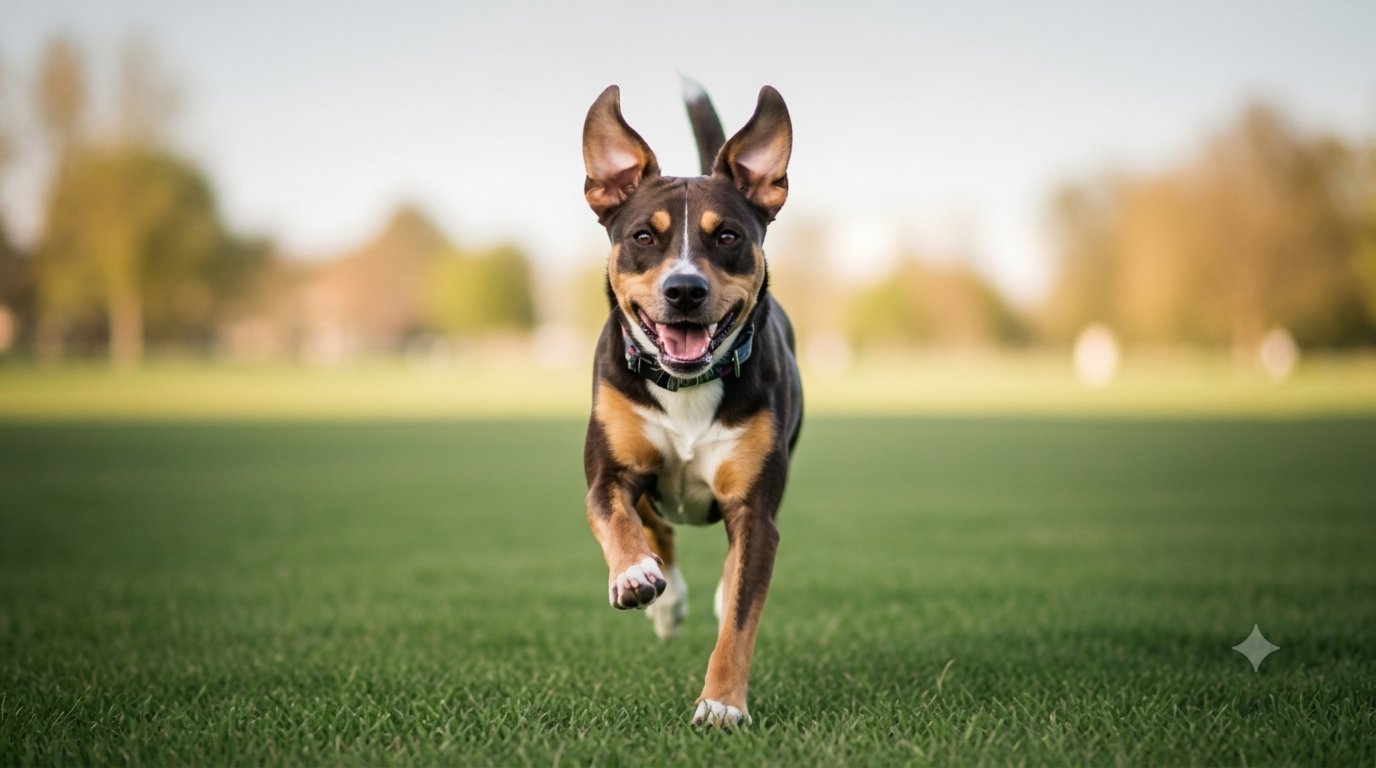
Your dog heard you. They just did the math, weighed "come back to my human" against "keep sniffing this magnificent smell," and picked the smell. A reliable recall is not a sign your dog loves you more. It is a skill you build, one that makes coming back the obvious, easy, rewarding choice, and it happens to be one of the most trainable things you will ever teach.
Why your dog ignores the recall
Coming when called competes with everything else out there: squirrels, other dogs, a half-eaten sandwich in the grass. If turning back to you has never been made genuinely worth it, your dog is not being defiant, they are simply choosing the better-paying option. Most recall problems are not stubbornness, they are a reward problem. Fix the payoff and the behavior follows.
Make yourself the best thing in the world
The foundation of recall is simple: coming to you should be the highlight of your dog's day, every single time, especially early on. That means high-value rewards, the good stuff, not a dry biscuit. Chicken, cheese, a favorite squeaky toy, a burst of the happiest praise you can produce. When your dog learns that turning toward you kicks off a small party, the word itself starts to mean "something great is about to happen."
And never let coming back become a letdown. If the only time you call your dog is to end the fun, clip the leash on, or leave the park, you teach them that "come" means the good times are over. Call them sometimes just to reward and release them straight back to play.
Start small and boring
Begin somewhere with zero distractions, a hallway or a quiet room. Say your cue once in a bright voice, and the instant your dog moves toward you, reward like you mean it. Keep it so easy they win every time. You are not testing your dog yet, you are building a reflex, and reflexes are built on a long streak of easy successes.
Pick one clear word and protect it. "Here" or "come" both work, but whatever you choose, do not burn it by shouting it into the void when you already know your dog will not respond. Every time the word gets ignored, it means a little less.
Add the three Ds, one at a time
Once the cue is solid in a boring room, raise the difficulty gradually along three axes: distance (call from further away), distraction (mild temptations before big ones), and difficulty of the setting (a quiet yard before a busy trail). The classic mistake is jumping straight from the living room to a packed dog park. That is three giant leaps at once, and your dog will fail. Change one variable at a time and keep the wins coming.
Use a long line for safety
While recall is still a work in progress, a long training lead of fifteen to thirty feet lets your dog feel free while you keep them safe and prevent the one thing that ruins recall fastest: a big, self-rewarding sprint away from you. The long line is not for yanking. It is a safety net that stops your dog from practising the wrong choice while the right one is still being built.
Turn it into a game
Recall sticks best when it feels like play. Run away from your dog and let them chase you down for a reward. Play round-robin recall with two people calling back and forth across a yard. Hide, call, and throw a party when they find you. Dogs who learn recall as a game come back with their whole body, because the word has become fun rather than a command.
The bottom line
A reliable recall is not about a dog who loves you enough. It is about a dog who has practised coming back so many times, for such a good payoff, that returning to you is simply the obvious move. Start small, pay well, protect your cue, and build up slowly. Do that, and your dog will come back not because they have to, but because in their world, you are genuinely the best thing to run toward.