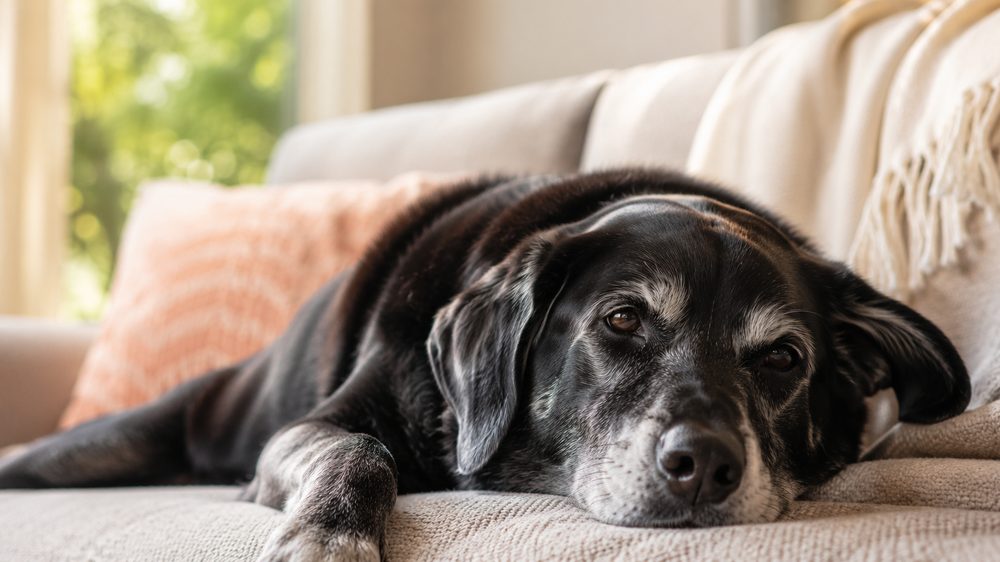
Your dog's muzzle is going gray, the stairs take a little longer, and the puppy energy has mellowed into something calmer and sweeter. The senior years aren't a sad epilogue - with the right support, they can be some of the richest years you share. Here's how to help your old friend thrive.
When is a dog "senior"?
It depends heavily on size. Large and giant breeds age faster and may be seniors by six or seven, while small dogs often don't hit that stage until nine or ten. The signs tend to arrive gradually: a grayer face, more napping, slower mornings, stiffness after rest. None of it means decline is inevitable - it means your dog's needs are shifting, and your care should shift with them.
Stay ahead of pain
The most important thing you can do for a senior dog is recognize that they hide pain expertly. Arthritis is extremely common in older dogs, and they rarely cry out - they just quietly stop doing things. Reluctance on stairs, hesitation jumping into the car, slowness to rise, or a new grumpiness when touched are all worth a vet conversation.
The encouraging part: there's a lot you can do. Keeping your dog at a healthy weight dramatically reduces joint strain. Your vet may recommend joint supplements, anti-inflammatory medication, or other pain management, and modern options are genuinely effective. A comfortable old dog is a happier, more active old dog, and managing pain early slows the downward spiral that inactivity creates.
Adjust the environment
Small changes make a big difference for aging bodies. Orthopedic beds support sore joints. Ramps or steps help dogs reach couches and cars without jarring impact. Rugs or runners over slick floors give traction to dogs whose footing isn't what it was. Raised food and water bowls ease strain on the neck and back. None of this is expensive, and all of it adds up to a dog who moves through their day more comfortably.
Rethink exercise, don't abandon it
Senior dogs still need movement - it keeps joints mobile, weight in check, and minds engaged - but the formula changes. Shorter, more frequent walks usually beat one long trek. Low-impact options like swimming are wonderful for arthritic dogs. Let your dog set the pace, watch for signs they're tiring, and adjust to the weather, since older dogs handle heat and cold less well. The goal is consistent gentle activity, not athletic performance.
Feed for the life stage
Older dogs often need fewer calories as their metabolism and activity slow, which makes portion control important to avoid the weight gain that worsens joint problems. At the same time, they may benefit from nutrients that support joints and aging bodies. Senior-formula diets are built around this balance. Talk to your vet about whether a diet adjustment or supplements like glucosamine and omega-3s make sense for your specific dog.
Keep the mind sharp
Cognitive decline is real in dogs, and mental engagement helps keep it at bay. Food puzzles, sniff-focused walks that let your dog read the world with their nose, gentle new tricks, and rotating toys all give the aging brain a workout. A slow amble through a new environment can be more enriching than a brisk lap of the usual block. Keep your dog curious and engaged, and you support both their mood and their mind.
See the vet more often
Twice-yearly checkups become genuinely valuable in the senior years, because the conditions that shorten and dim old age - kidney disease, cancer, dental disease, cognitive decline - are far more manageable when caught early. Ask about baseline bloodwork so your vet has a reference point to spot changes. Senior care is largely a game of catching things early, and regular visits are how you win it.
The hard part, gently
At some point, quality of life becomes the central question. It helps to think in terms of the things your dog loves: Are they still eating with interest? Engaging with you? Able to do the things that bring them joy, even slowly? Veterinarians use quality-of-life scales that can give structure to a decision that otherwise feels impossibly subjective. You don't have to face that alone - your vet is a partner in it. For now, the point is simply this: prioritizing your dog's comfort is always the right instinct.
The bottom line
A senior dog isn't a diminished version of who they were - they're the same friend, asking for slightly different care. Stay ahead of pain, soften their environment, keep them moving and thinking, feed them for their stage, and lean on your vet to catch problems early. Do that, and the gray-muzzle years can be calm, comfortable, and deeply good - a slower, sweeter chapter that's worth every bit of the effort.
Sources & further reading
- 2023 AAHA Senior Care Guidelines for Dogs and CatsAmerican Animal Hospital Association
- Routine Health Care of DogsMerck Veterinary Manual
Sources support the core health, safety, or nutrition guidance in this article. Read our editorial standards.